
Scenario lessonTravelElementaryTraditional characters
How to Ask for Directions in Mandarin: Words, Phrases & a Real Dialogue
In this scenario, you are lost and need to ask a passer-by for directions to the subway station. This is a crucial skill for navigating unfamiliar places and getting help when you need it.
Updated 3 October 20263 min readAudio on every line
After this lesson you will be able to
- Ask for directions to a specific location.
- Understand simple directional instructions like 'go straight' and 'turn left'.
- Say thank you politely after receiving help.
Words you need
14 words
 不好意思
不好意思bù hǎo yì si
excuse me
 請問
請問qǐng wèn
may I ask
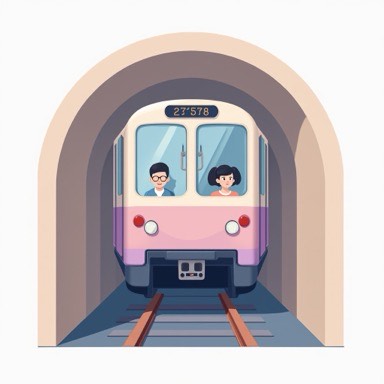 捷運站
捷運站jié yùn zhàn
subway station
 怎麼走
怎麼走zěn me zǒu
how to get there / how to go
 直走
直走zhí zǒu
go straight
 左轉
左轉zuǒ zhuǎn
turn left
 右轉
右轉yòu zhuǎn
turn right
 在
在zài
at / in / on (indicating location)
 旁邊
旁邊páng biān
next to / beside
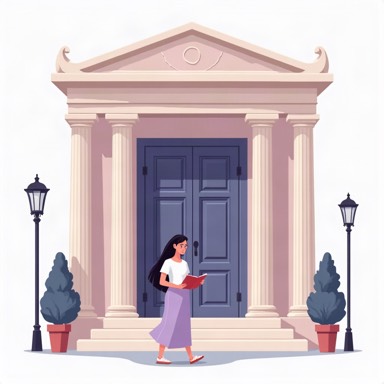 銀行
銀行yín háng
bank
 謝謝
謝謝xiè xie
thank you
 不客氣
不客氣bù kè qì
you're welcome
 迷路
迷路mí lù
lost (to be lost)
 這裡
這裡zhè lǐ
here
Key phrases
what you will say and hear
不好意思,請問。
Bù hǎo yì si, qǐng wèn.
Excuse me, may I ask?
A polite way to get someone's attention and start a question.
捷運站怎麼走?
Jié yùn zhàn zěn me zǒu?
How do I get to the subway station?
A direct way to ask for directions to a specific place.
我要去捷運站。
Wǒ yào qù jié yùn zhàn.
I want to go to the subway station.
Stating your destination or intention.
我迷路了。
Wǒ mí lù le.
I am lost.
Explaining your situation to seek help.
直走,然後左轉。
Zhí zǒu, rán hòu zuǒ zhuǎn.
Go straight, then turn left.
A common instruction for giving directions.
它在銀行旁邊。
Tā zài yín háng páng biān.
It's next to the bank.
Describing the location of something relative to another landmark.
謝謝您!
Xiè xie nín!
Thank you! (polite)
A polite way to express gratitude, especially to strangers or elders.
不客氣。
Bù kè qì.
You're welcome.
The standard response to 'thank you'.
Grammar behind it
3 patterns
1. Asking 'How to go/get there': 怎麼走
Place + 怎麼走?
This pattern is used to ask for directions to a specific place. The place you want to go comes before 怎麼走 (zěn me zǒu).
捷運站怎麼走?
Jié yùn zhàn zěn me zǒu?
How do I get to the subway station?
銀行怎麼走?
Yín háng zěn me zǒu?
How do I get to the bank?
這裡怎麼走?
Zhè lǐ zěn me zǒu?
How do I get here?
2. Indicating location with 在
Subject + 在 + Location.
在 (zài) means 'at,' 'in,' or 'on' and is used to state where something or someone is located. It always comes before the location.
捷運站在這裡。
Jié yùn zhàn zài zhè lǐ.
The subway station is here.
它在銀行旁邊。
Tā zài yín háng páng biān.
It's next to the bank.
我在家。
Wǒ zài jiā.
I am at home.
3. Sequential actions with 然後
Action 1, 然後 + Action 2.
然後 (rán hòu) means 'then' or 'after that'. It connects two actions in sequence, indicating that the second action happens after the first. It's often used when giving multiple steps in directions.
直走,然後左轉。
Zhí zǒu, rán hòu zuǒ zhuǎn.
Go straight, then turn left.
我吃飯,然後睡覺。
Wǒ chī fàn, rán hòu shuì jiào.
I eat, then I sleep.
你先說,然後我說。
Nǐ xiān shuō, rán hòu wǒ shuō.
You speak first, then I'll speak.
Culture tips
Be Polite When Asking for Help
Always start your questions with 不好意思 (bù hǎo yì si, 'excuse me') or 請問 (qǐng wèn, 'may I ask') when approaching strangers in Taiwan. This shows respect and politeness.
Use Open Hand for Pointing
When giving or receiving directions, it's more polite to point with an open hand or your whole hand rather than just a single finger. This is considered less aggressive and more respectful.
The full dialogue
Finding the Subway
小美
不好意思,請問。
Bù hǎo yì si, qǐng wèn.
Excuse me, may I ask?
大明
請說。
Qǐng shuō.
Please speak.
小美
我迷路了,請問捷運站怎麼走?
Wǒ mí lù le, qǐng wèn jié yùn zhàn zěn me zǒu?
I'm lost, may I ask how to get to the subway station?
大明
捷運站嗎?
Jié yùn zhàn ma?
The subway station?
小美
對,捷運站在這裡嗎?
Duì, jié yùn zhàn zài zhè lǐ ma?
Yes, is the subway station here?
大明
不在。你直走,然後左轉。
Bú zài. Nǐ zhí zǒu, rán hòu zuǒ zhuǎn.
No. You go straight, then turn left.
小美
直走,左轉…
Zhí zǒu, zuǒ zhuǎn…
Go straight, turn left...
大明
對,它在銀行旁邊。
Duì, tā zài yín háng páng biān.
Right, it's next to the bank.
小美
喔,我知道了!謝謝您!
Ō, wǒ zhī dào le! Xiè xie nín!
Oh, I understand now! Thank you!
大明
不客氣。
Bù kè qì.
You're welcome.
Now say it out loud
Reading the dialogue is step one. Practise it with Xora, Mixora's AI tutor: she plays the other side of “Which way to the station?”, answers what you say, and explains anything you don't catch.